
From LPA to Plaskito: Asma Chafter (Class of 2008) turns used plastic into a material
An environmental engineer, she founded a young company in Tunis that turns plastic waste into traceable objects and furniture built to last.
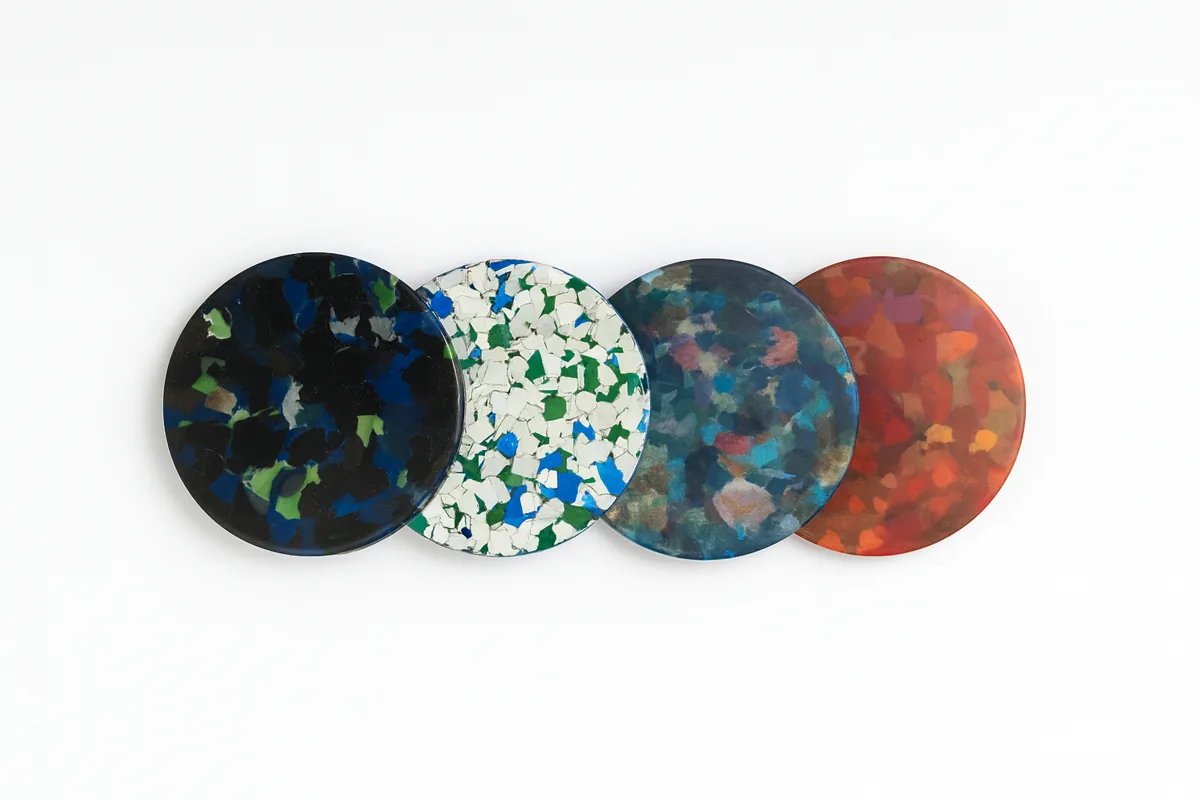
She sat her Bac at Lycée Pilote de l'Ariana in 2008. Eighteen years later, Asma Chafter (LPA - Class of 2008) runs Plaskito in Tunis, a startup that gives plastic a second life: every object it makes carries a QR code that tells where its material came from.
From LPA to the wider world
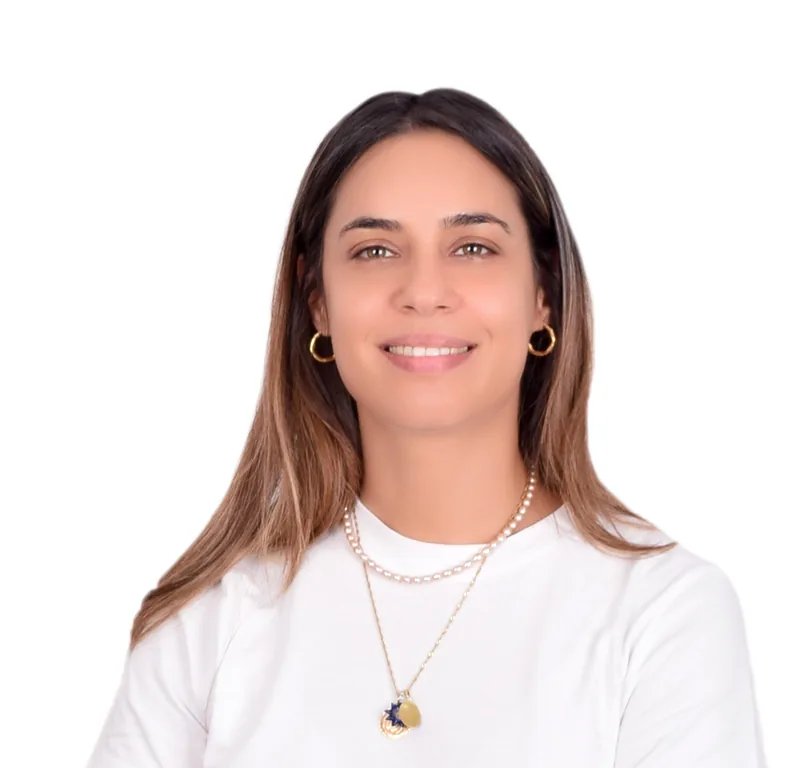
After LPA, Asma went to Paris to study mechanical engineering and environmental science at Université Pierre et Marie Curie.
An international career followed: consulting in Paris, environmental projects in the Gambia, including fieldwork in the mangroves, then UNEP/GRID-Geneva, a centre of the United Nations Environment Programme, and the Richemont group in Switzerland.
A milk bottle and a few bottle caps
The idea came from a very simple experiment. In 2024, while in Switzerland, Asma turned a milk bottle and a few bottle caps into a first prototype. The result was good-looking, and sturdy. That is where Plaskito starts: used plastic is not waste to get rid of, but a material.
The need is real: according to WWF, only 4 to 7% of plastic waste is recycled in Tunisia. In its Tunis workshop, Plaskito starts from plastic that has already been shredded, polyethylene from bottle caps, jerrycans and bottles, and turns it into boards and objects without any binder or resin. The colours come from the waste itself, so no two pieces look alike. A 50 g coaster holds about a dozen bottle caps; a 3.5 kg stool, about 875.
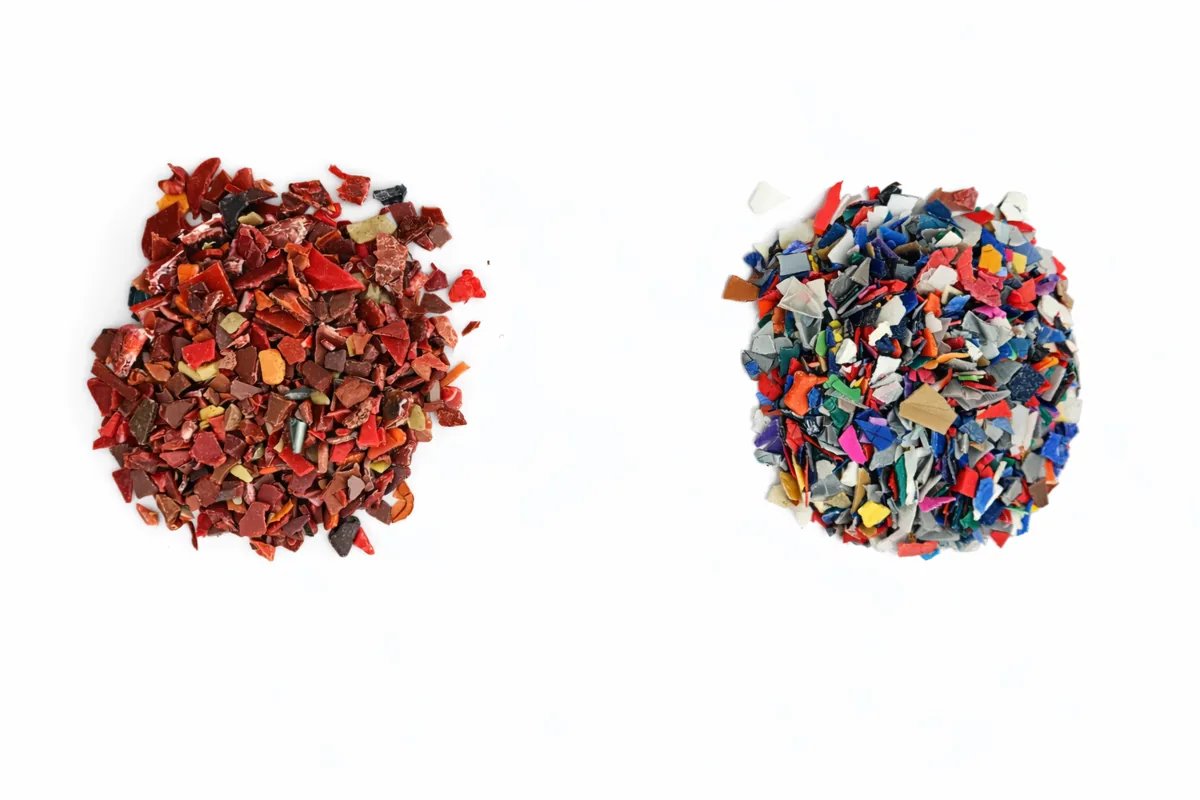
Each piece has its own "digital passport": scanning its QR code shows where the material came from, its weight, and when and where it was made. Nothing is disposable: at the end of its use, Plaskito takes the object back and turns it into new material.
First support, first steps
In spring 2025, the project won second prize in the Westerwelle Foundation's Young Founders programme. That summer it joined the Redstart incubator, where it was a finalist in Women Go Green 2.
In September 2025, at a beach clean-up organised by the TunSea association in Hammamet, Asma presented her prototype. There she met Anas Ghzaiel, environmental coordinator at TunSea, who joined Plaskito as co-founder in 2026.
The first prototypes are ready and the launch in Tunisia is close. The ambition goes further: large recycled-plastic panels for architects, hotels and cities, in Tunisia and around the Mediterranean.
True to her scientific training, Asma stays clear-eyed. In the first article of Plaskito's journal, she points out that recycling is not enough on its own: the first lever is still to make and use less single-use plastic.
Follow Plaskito: plaskito.com, on Instagram and on LinkedIn.
Read more: the first article in Plaskito's journal, by Asma Chafter, on why recycled plastic is a material in its own right.
Are you an LPA alumnus or alumna? Share your story.