A pioneer school
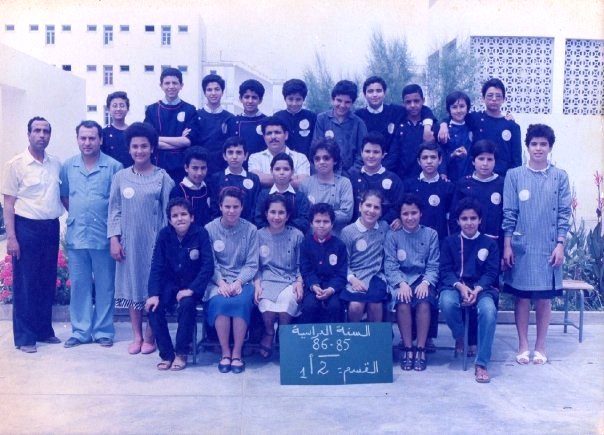
The school opened in 1983, one of Tunisia's first pilot schools, with a distinctive mission: teaching the national curriculum in English. Students joined at the age of twelve and stayed for seven grades.
At the end of the 1989–1990 school year, the school stopped teaching in English, so that its students would study the scientific subjects in French like their peers in mainstream high schools across the country.
Four years to the Baccalaureate
Following national education reforms, the seven-year course gave way in 1995 to the four years of secondary school. The school now admits graduates of basic education, aged 15 or 16, who pass the national entrance examination with an average above 16 out of 20.
- 1st yearCommon Core
- 2nd yearSciences, after the first round of streaming
- 3rd & 4thMathematics or Experimental Sciences, after the second round of streaming, crowned by the Baccalaureate
A tradition of results
The school's Baccalaureate results have almost always been among the best in the country, with a success rate historically at or near 100% and a large majority of students graduating with averages above 16 out of 20. Its graduates have gone on to leading universities in Tunisia and abroad, and to distinguished careers worldwide.
The school is twinned with several high schools around the world and maintains ties with international educational and cultural institutions.
The campus
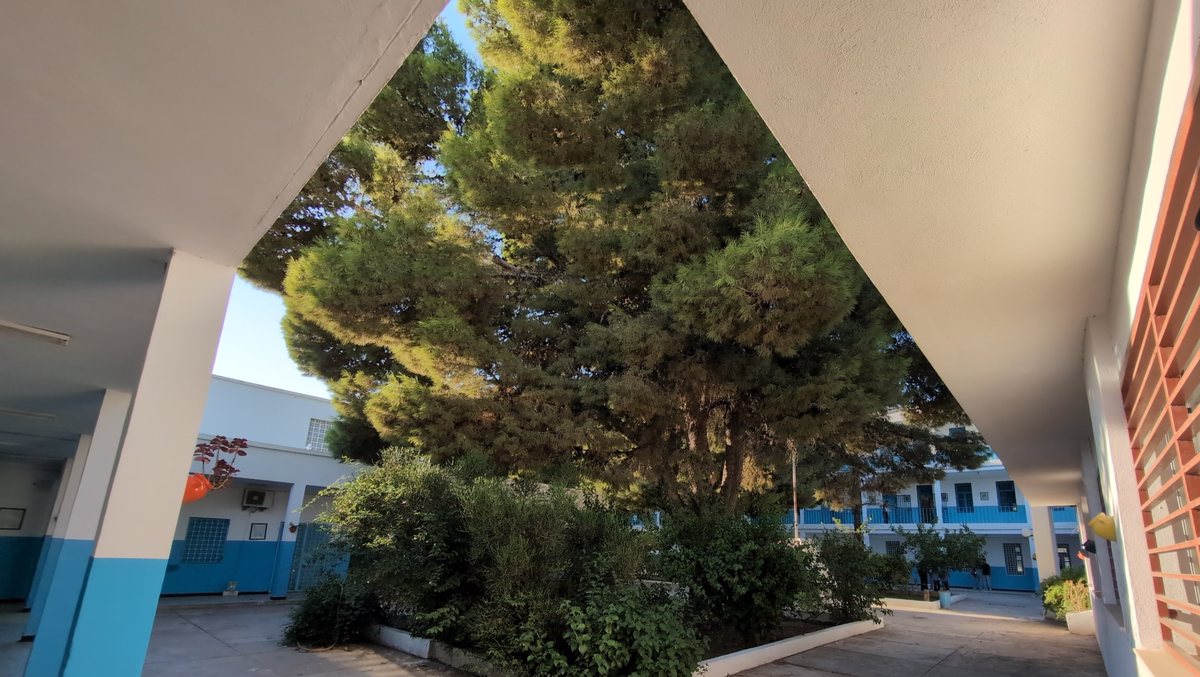
- Twenty-one classrooms and four specialised rooms
- Five laboratories and a library
- A multipurpose hall, refectory and kitchen
- Four dormitories for boarding students
- Basketball, handball and volleyball courts, a gymnastics room and two locker rooms
Mohamed Fraj Chedly
In 2014 the school took the name of Mohamed Fraj Chedly (1927–2014), Minister of Education from 1980 to 1986. He championed the quality of teaching and the creation of model schools to build a Tunisian elite, and the pioneer schools were born of that conviction.
With thanks to Mohamed Hammar for his major contribution to this history.